.jpg)
About Me
Liz has a background in education, qualifying in 1987 with a B.Ed, giving her a grounding in child centred and creative approaches to teaching and learning. Liz has a Diploma in Play Therapy, a Diploma in Sand Play, a level 6 qualification in Relational and Creative Therapy with young people and a Diploma in Nero Dramatic Play. Liz offers courses in Child and Parent Relational Therapy. In addition, Liz is a qualified supervisor, providing clinical supervision to therapists and educational professionals.


Integrative approach
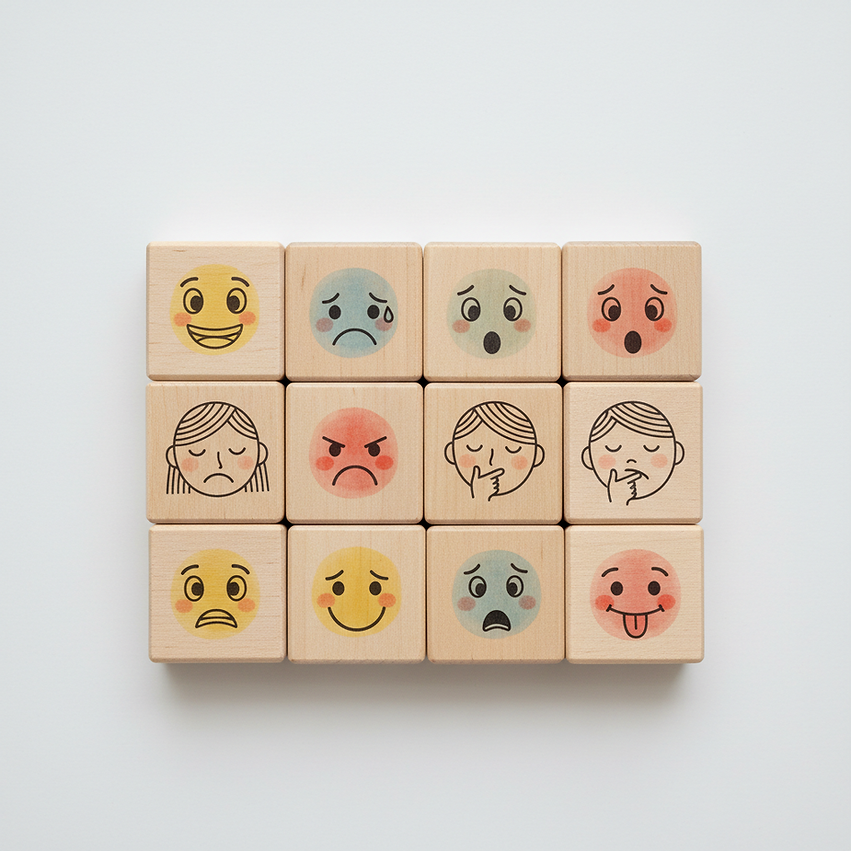
Based on the integrative holistic model, Liz uses a relational and creative approach in her work with children and adolescents. Drawing from a range of therapeutic mediums including sand tray, clay, drama and role play, art, music, storytelling and games. Offering choice, autonomy and creativity are at the heart of her work. In addition, Liz’s knowledge of human development, child centred practice, early years play and neurodiverse presentations gives opportunity to offer an individualised approach to sessions with children and young people.
Seeing each child or young person as a unique individual with a range of qualities, backgrounds and experiences is a key part of Liz’s work. Being a flexible and reflective practitioner, Liz uses both non-directive and directive activities to intuitively meet the needs of those she works with.

Partnership
Working with parents, carers and the wider family is an important aspect of Liz’s work. Through her experiences in education and in her therapeutic work, Liz sees parents and carers as essential partners in the therapeutic process. She is currently developing Child and Parent Relational Play courses. Liz draws upon a range of knowledge to support parents, carers and families to enable change and healing for the individual child or young person.
Liz provides therapy in schools, alternative provision settings and privately. Being an inclusive practitioner is an essential aspect to Liz’s work, offering sessions to children from the age of four to eighteen, from a variety of backgrounds, presentations and need. These include neurodiversity, anxiety disorders, emotional difficulties, living situations, including parental separation and fostered and adopted young people, exploration of identity and gender and those who have experienced trauma and abuse

What's in a name?
.jpg)
The name Acorn2Oak symbolises growth and has emerged from Little Acorn Play Therapy.
As my practice has developed, I now offer therapeutic space for adolescents as well as younger children.
The image of an acorn growing into an oak tree offers a positive metaphor for change and transformation. In the right environment, the acorn reaches towards the light while spreading its roots into the earth and claiming its place in the forest.
This metaphor also recognises that growth can be challenging. Changing conditions, storms, lightning and sunshine can all shape the development of the oak. To thrive, the oak needs nurture, nutrients and water, as well as a sense of place and connection with the other trees in the woodland.
My vision is to offer the same to my clients: an opportunity to develop a stronger sense of self and belonging, while recognising that growth is rarely even or straightforward, as the rings of an ancient oak can show. By working creatively with metaphor and symbolism, transformation from acorn to oak can begin to unfold.